Another Country: Outsider Visions of America
A series that explores the many ways foreign and immigrant auteurs of the modern era have depicted and otherwise apprehended the United States onscreen, August 2-14.
Yolande du Luart
1972|
USA|
80 minutes
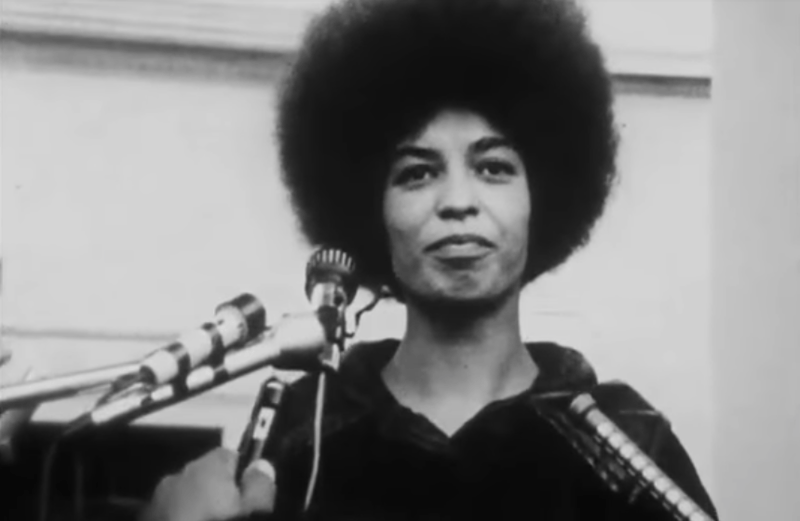
One of the rarest items in this series, director Yolande du Luart’s documentary about legendary political activist Angela Davis began shooting in 1969, when she was a subject of increasing scrutiny after coming out as a Communist, provoking the ire of administrators and governor Ronald Reagan.

1968|
France / USA|
59 minutes
Varda’s casual, open-air portrait of the Black Panthers during her 1968 L.A. journey is made with delicacy, grace, and political urgency. This double bill moves eastward with a contemporaneous work by Varda’s comrade Chris Marker: his evocative essay on the October 1967 Mobilization to End the War demonstrations.
Haile Gerima

1979, 2004|
USA|
100 minutes
Bush Mama, by Ethiopian-born director Haile Gerima, about the experiences of a black mother living in Watts, is a signal achievement of the renaissance of African-American independent cinema that developed around UCLA in the 1970s. Preceded by Tomonari Nishikawa’s hand-processed, in-camera-edited Super-8 exploration of Manhattan’s architectural rhythms.
Nick Broomfield

1983|
UK / USA|
85 minutes
Nick Broomfield and co-director Sandi Sissel capture the everyday activities of the eponymous Nevada brothel and the people employed there in the first of several documentaries Broomfield has made about sex work in America.
Danièle Huillet

1984|
West Germany / France|
126 minutes|
English and German with English subtitles
One of Straub and Huillet’s supreme accomplishments—inspired by Kafka’s never-completed Amerika—follows a teenage immigrant from Europe who arrives to this strange new land rife with swindlers and hypocrites, though it was largely shot in Hamburg.
Lars von Trier
2003|
Denmark / Netherlands / Sweden / Germany / UK / France / Finland / Norway / Italy|
178 minutes
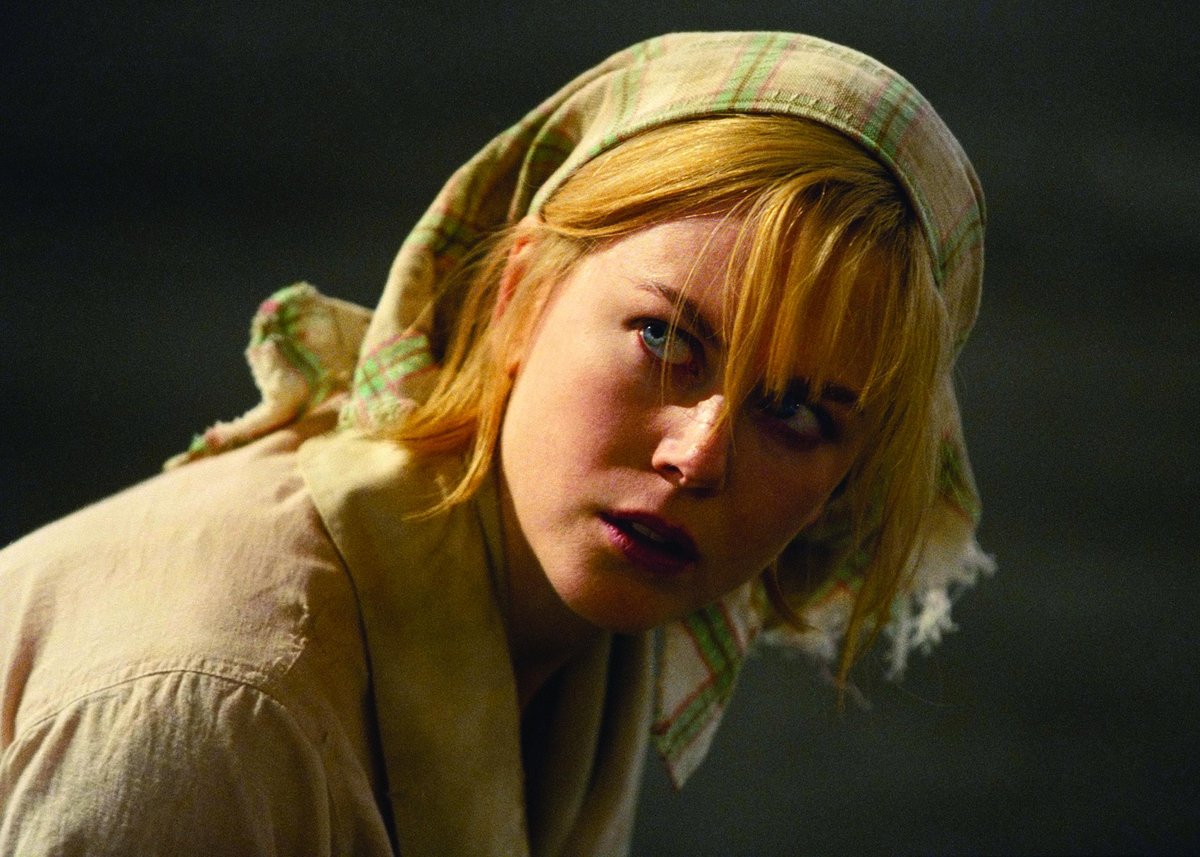
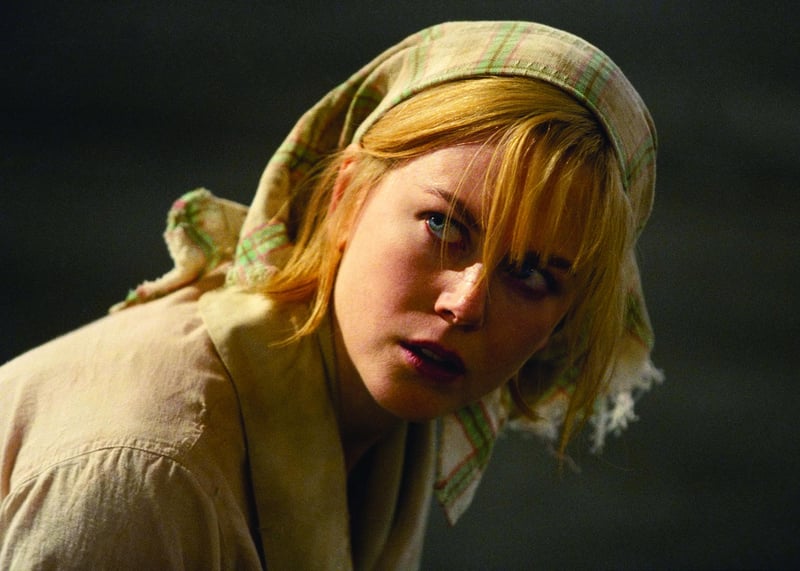
In Danish enfant terrible Lars von Trier’s spellbinding deconstruction of sacred American values, a beautiful, seemingly naive fugitive named Grace (Nicole Kidman), on the run from gangsters, arrives at a small town in the Rocky Mountains, where she is first welcomed and then mistreated, a convenient scapegoat for their own moral shortcomings.
1992,1973|
USA|
108 minutes
It’s January 1992, and conceptual artist Sophie Calle plans to travel cross-country to California, where she’s to begin teaching, and to symbolically bury her friend, the writer Hervé Guibert; she’s joined by her then-boyfriend Greg Shephard, and the two chart a course in his temperamental Cadillac. Preceded by video art pioneer Shigeko Kubota’s rather different kind of diary, chronicling a month-long stay in the Navajo Nation.
John Woo
1997|
USA|
138 minutes
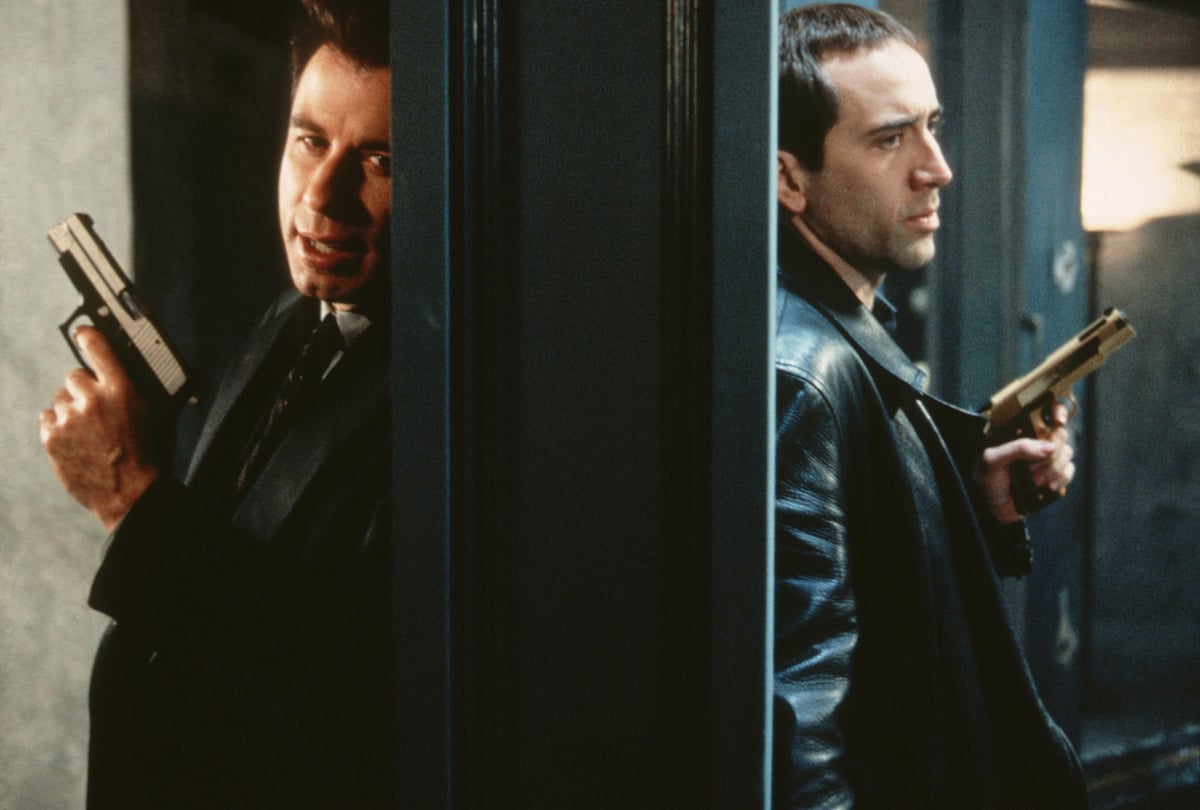
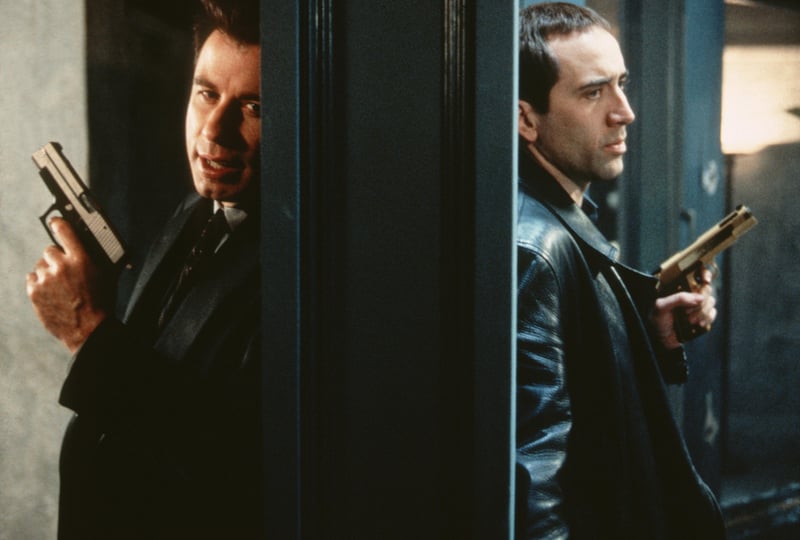
An FBI agent and a terrorist—played in highest octane by John Travolta and Nicolas Cage— surgically swap faces, each confronting a version of himself embodied by his adversary in John Woo’s action hit, which transpires on an alternate plane of sheer irrationality, offering unrelenting, highly stylized, and choreographed physical violence.
Raúl Ruiz
1990|
Belgium / USA|
83 minutes
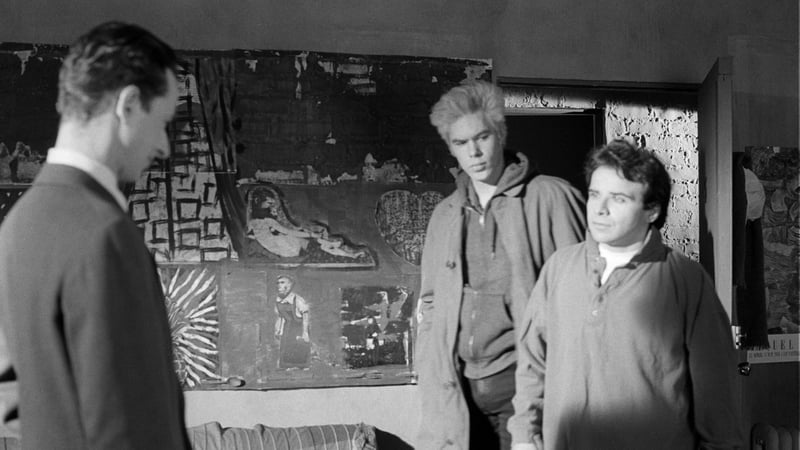
Raúl Ruiz’s first film made in the U.S. freely borrows from American police dramas and telenovelas in transforming downtown New York into a phantasmagorical labyrinth of noirish intrigues, inexplicable menace, and metaphysical quagmires.
Sergio Corbucci
1968|
Italy / France|
105 minutes|
English and Italian with English subtitles
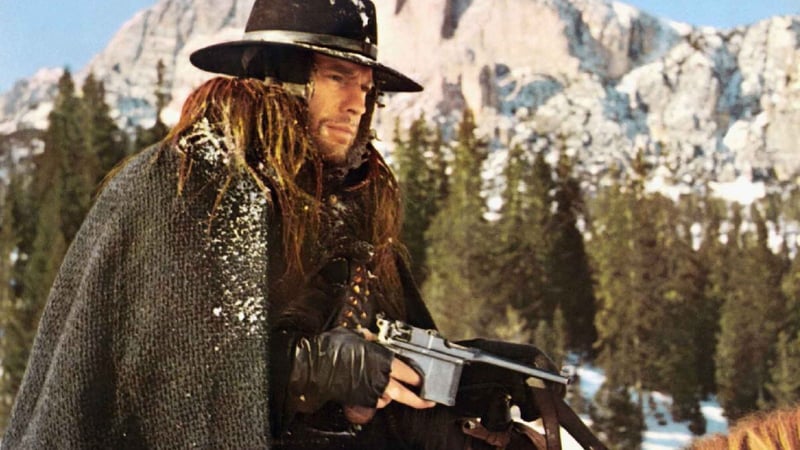
Shot amidst the snowy expanses of the Dolomites, Sergio Corbucci’s spaghetti western is a genre outing like few others, a grim, grand, anti-capitalist allegory influenced by the deaths of Malcolm X and Che Guevara, and starring Jean-Louis Trintignant and Klaus Kinski.
Terence Davies

2000|
UK / France / Germany / USA|
140 minutes
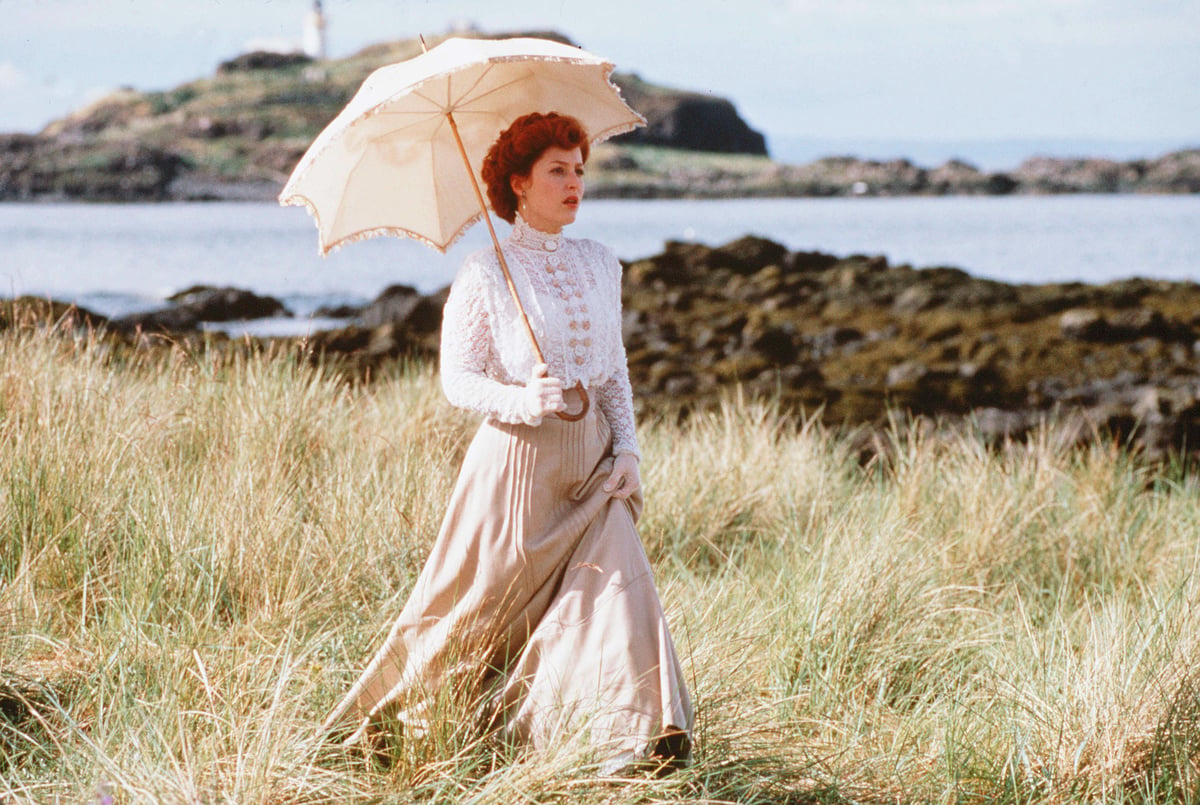
Terence Davies’s exquisite adaptation of Edith Wharton’s 1905 novel—an unsparing survey of the New York aristocracy at the turn of the 20th century—stars Gillian Anderson as the ill-fated Lily Bart, a well-born woman who watches her social status slowly crumble as she refuses to marry for money.
1976,1980|
West Germany|
89 minutes|
English and German with English subtitles
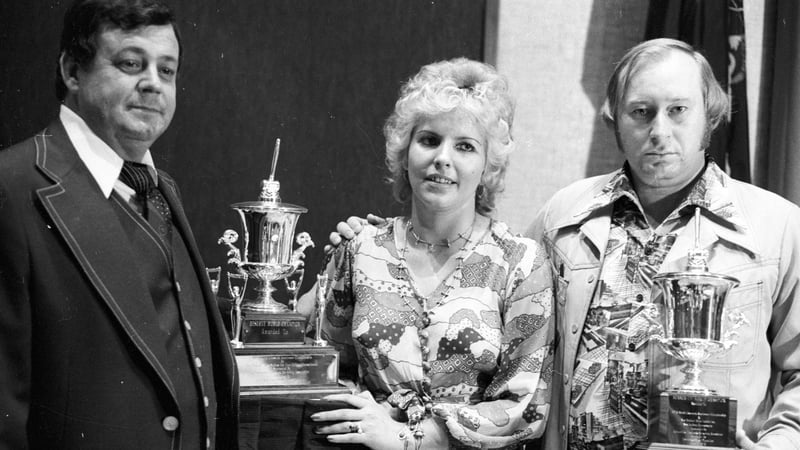
In How Much Wood Would a Woodchuck Chuck, Werner Herzog visits the World Championship of Livestock Auctioneers in New Holland, Pennsylvania, where contestants compete in feats of tongue-twisting verbal dexterity; in God’s Angry Man he profiles L.A. televangelist Gene Scott, for whom faith is big business.
Jane Campion
2003|
USA / UK / Australia|
119 minutes
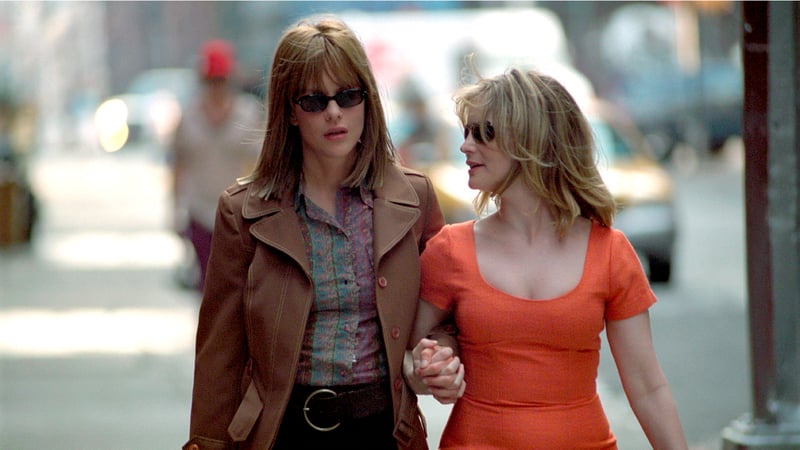
After learning about the brutal murder of a young woman in her neighborhood, an English professor (Meg Ryan) begins an affair with one of the investigating police detectives (Mark Ruffalo) in Jane Campion’s adaptation of the novel by Susanna Moore, which renders the erotic thriller with a haunting, meditative gaze.
Jacques Demy
1969|
France / USA|
97 minutes
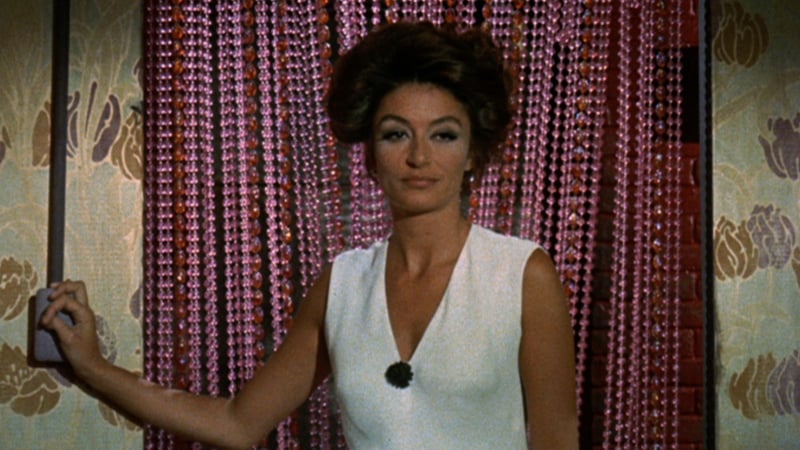
The Umbrellas of Cherbourg director Jacques Demy’s tenure in Hollywood would begin and end with this, one of his most underrated pictures, starring Gary Lockwood as an aspiring architect and full-time layabout in Los Angeles who comes face-to-face with his own mortality when he learns he’s been called in for the draft.
Chantal Akerman
1977,1979,1978|
France / Belgium / West Germany / USA|
119 minutes|
French with English subtitles
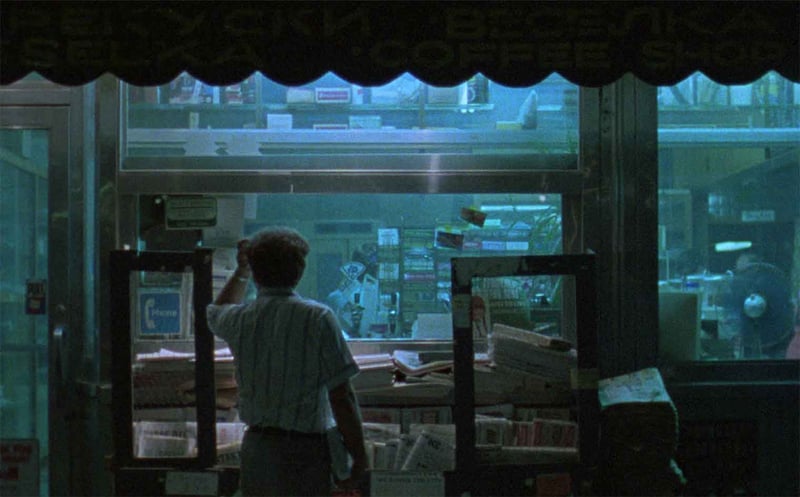
A trio of distinctive works made by young expats in ’70s New York: Chantal Akerman’s plangent News from Home, wherein precisely composed street scenes are paired with recited letters from the filmmaker’s mother in Belgium; Manuel DeLanda’s Ism Ism, in which he elaborately defaces subway advertisements, grafting bits of one model’s face onto another to yield charmingly grotesque collages; and Guerillère Talks by Super-8 luminary Vivienne Dick, assembled as a suite of portraits featuring different women from Dick’s downtown demimonde.
Wim Wenders
1984|
West Germany / France / UK / USA|
145 minutes
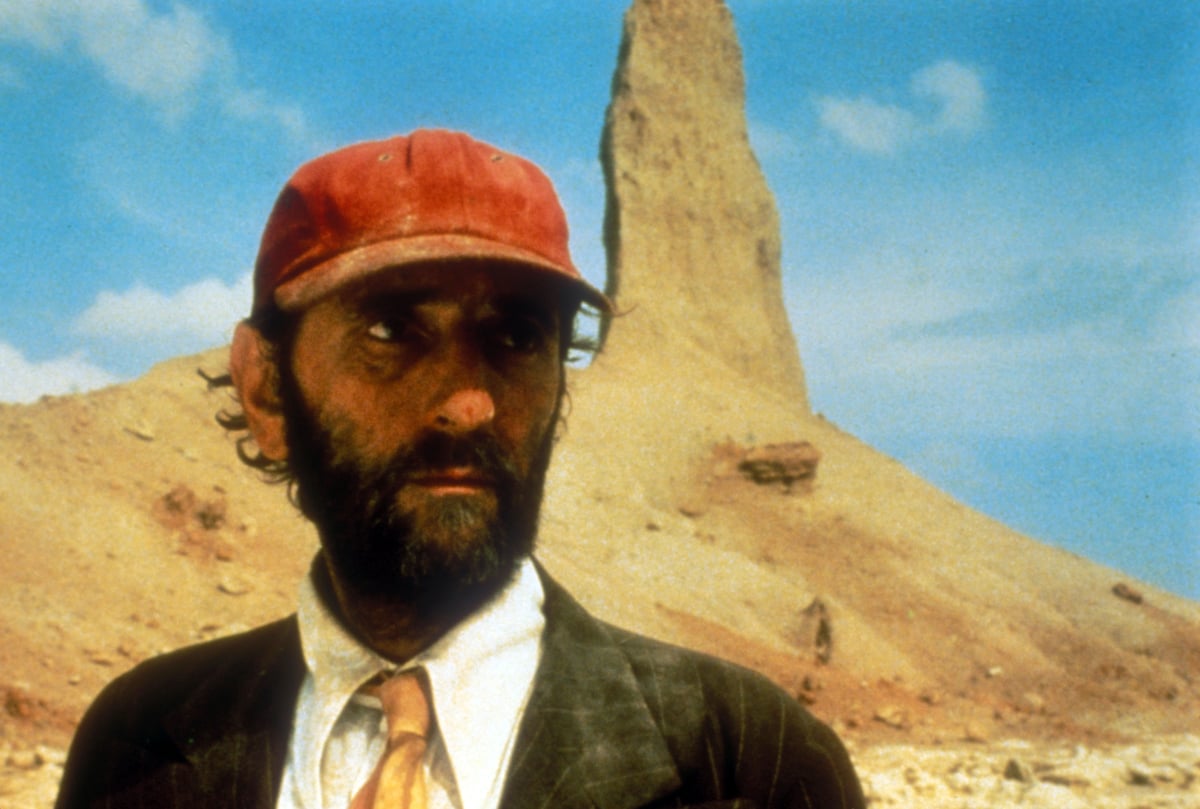
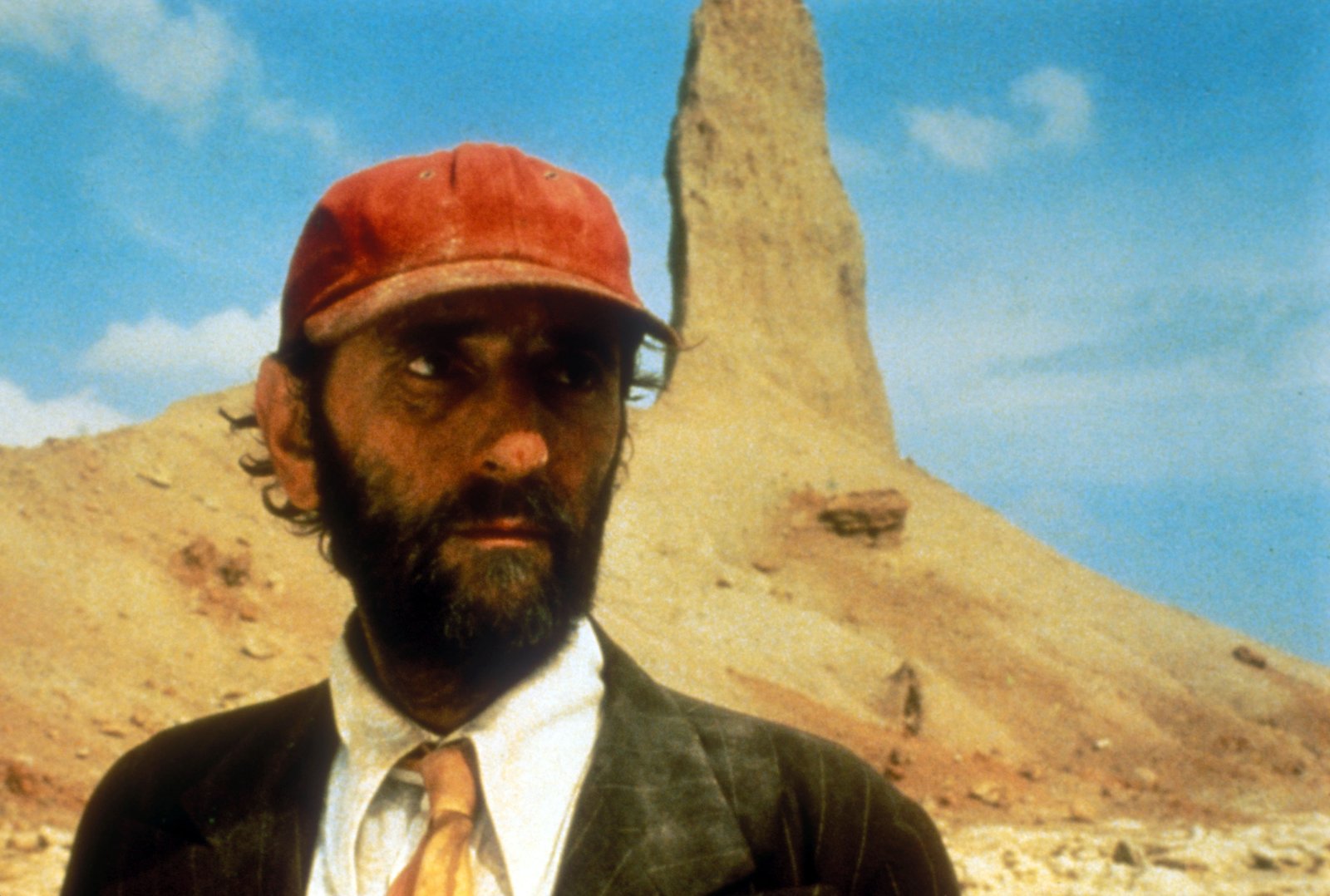
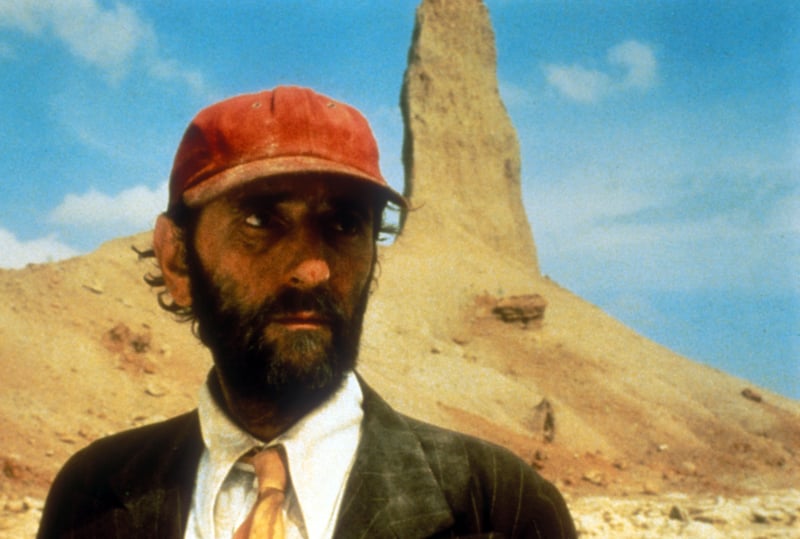
Wim Wenders’s emotionally overwhelming, Palme d’Or–winning odyssey stars Harry Dean Stanton as a lonely amnesiac seeking out his estranged wife and son, and Nastassja Kinski giving what might be her finest performance to date.
Jean-Pierre Gorin
1980|
USA / West Germany|
77 minutes|
English, French, and German with English subtitles
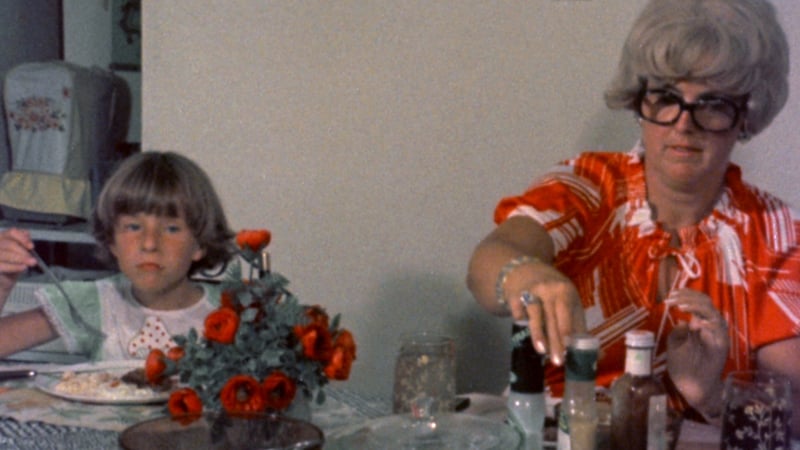
J.P. Gorin’s utterly beguiling documentary feature was inspired by a news item about twin girls, Grace and Virginia Kennedy, believed to be communicating in a language of their own invention; Gorin casts his amused yet penetrating gaze on the family’s lean economic situation and the mass-media cult intent on exploiting their story.
Alain Resnais
1977|
France / Switzerland|
104 minutes
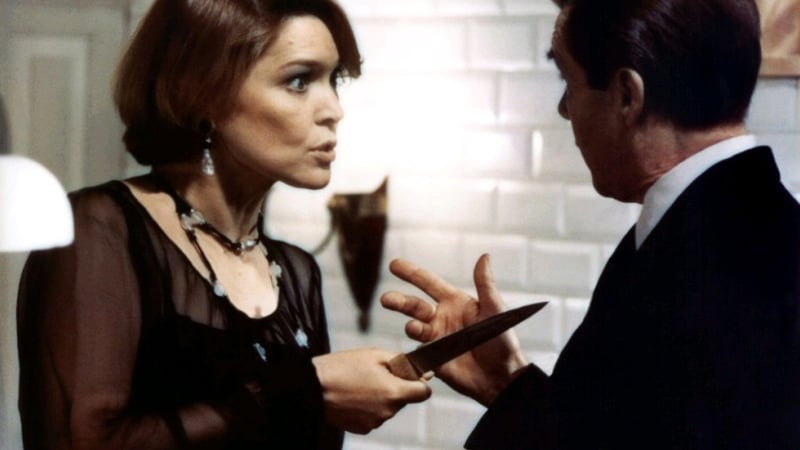
Alain Resnais’s first film in English, featuring John Gielgud, is a “documentary about imagination,” set on a Victorian-era estate known as Providence; inside we’re privy to the fevered dreams and emotional reckonings of an aging writer whose body is succumbing to cancer.
Harun Farocki
2000|
Germany|
60 minutes|
German with English subtitles
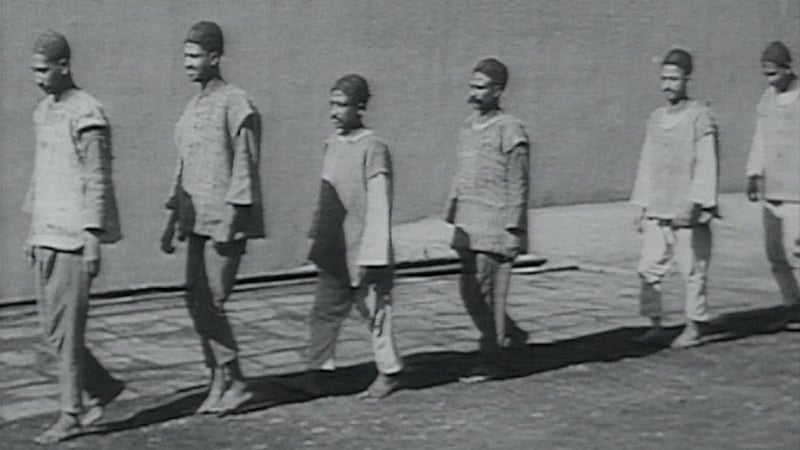
In this probing essay film, German filmmaker Farocki appropriates the internal surveillance recordings of the U.S. prison system, considering the far-reaching architecture of social control, and making visible an America designed to be hidden.
Peter Watkins
1971, 1968|
USA / Canada|
107 minutes
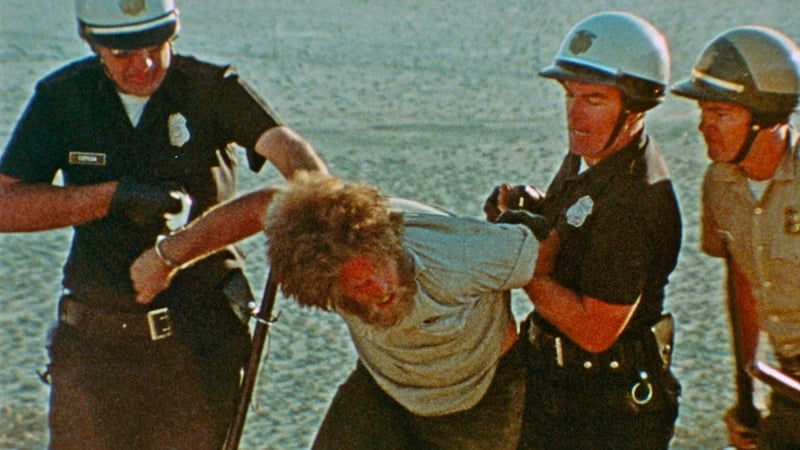
Shot in a documentary style, with non-actors cast partly according to their political sympathies, Watkins’s dystopian fantasy imagines a near-future where due process in America has been suspended as a response to increasing civil unrest, and the fates of political dissidents are instead determined by tribunal.
Paul Verhoeven
1995|
USA / France|
128 minutes
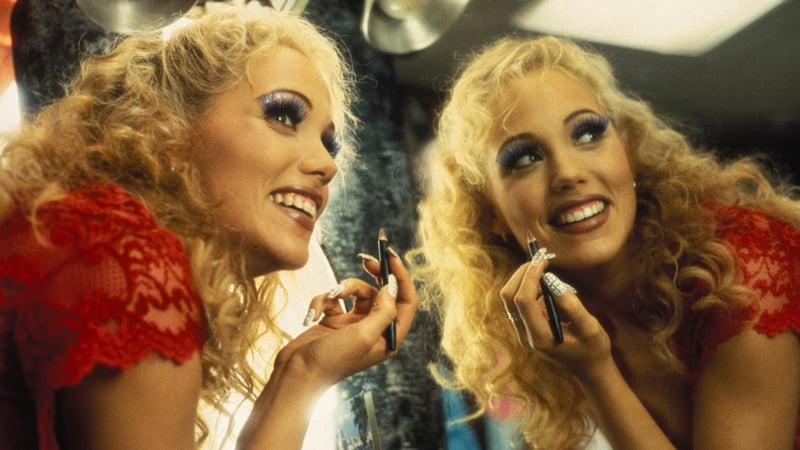
Nomi, a tough-as-nails drifter with a go-it-alone attitude and a murky past, arrives in Las Vegas and fights her way up from stripper in a sleazy club to star showgirl. Unbound by musty notions of “good taste,” Showgirls goes further than any other film of the 1990s in its orgiastic depiction of consumerism, crass spectacle, and the dark side of the American dream.
Babette Mangolte
1982, 2013|
Germany|
116 minutes
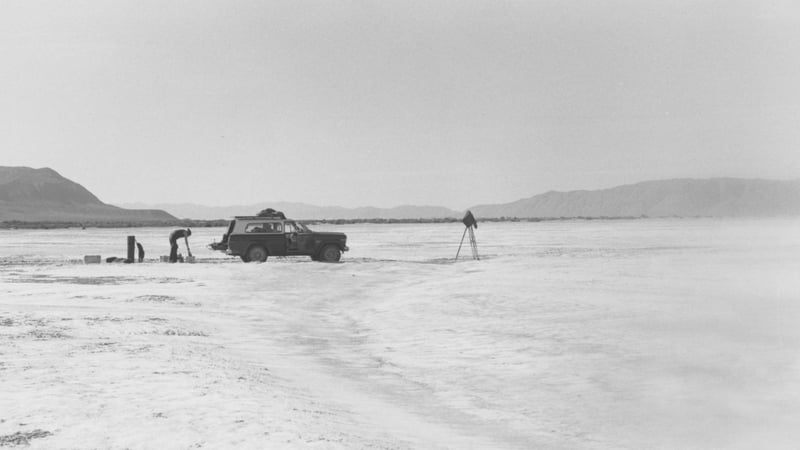
In The Sky on Location, French-born Babette Mangolte, feeling the pull of the American West, sets out to map the region through its shifting seasonal palette, resulting in a chromatic geography of the landscape as well as a keen-eyed meditation on its history. Preceded by Ute Aurand’s lyrical portrait of America To Be Here.
Werner Schroeter
1973, 2007|
West Germany / USA|
91 minutes|
German with English subtitles
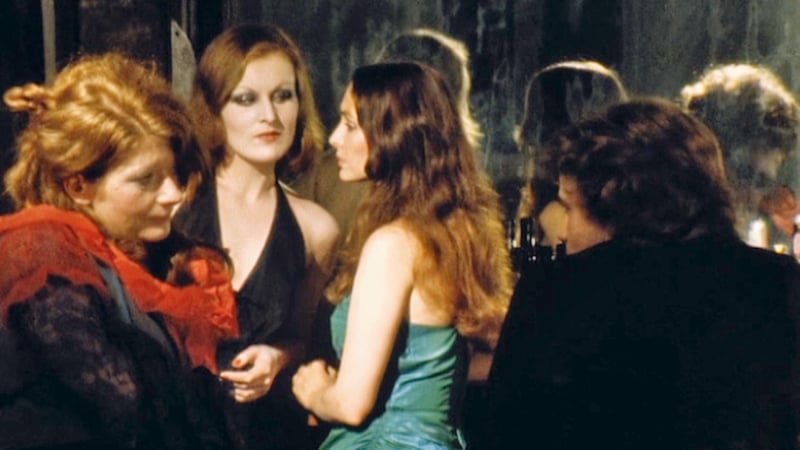
German director Werner Schroeter drove out to a ghost town near Rosamond known as Willow Springs, where in just two weeks he shot a film about a trio of women who rob and kill men who pass through their remote corner of the Mojave. Preceded by Laida Lertxudi’s gnomic, emotionally charged Footnotes to a House of Love, likewise set in a desolate, sun-soaked locale.
Sylvia Chang

1995, 2003|
Taiwan / USA|
119 minutes|
English, Mandarin, and Cantonese with English subtitles
Sylvia Chang’s Xiao Yu centers upon a young garment worker who’s come to New York from China to be with her boyfriend and enters into a green card marriage with an alcoholic writer. Preceded by Jonas Mekas’s Williamsburg, Brooklyn, composed of some of the very first images he shot in America, conjuring the atmospheres of his newfound immigrant milieu.
Michelangelo Antonioni
1970|
USA|
113 minutes
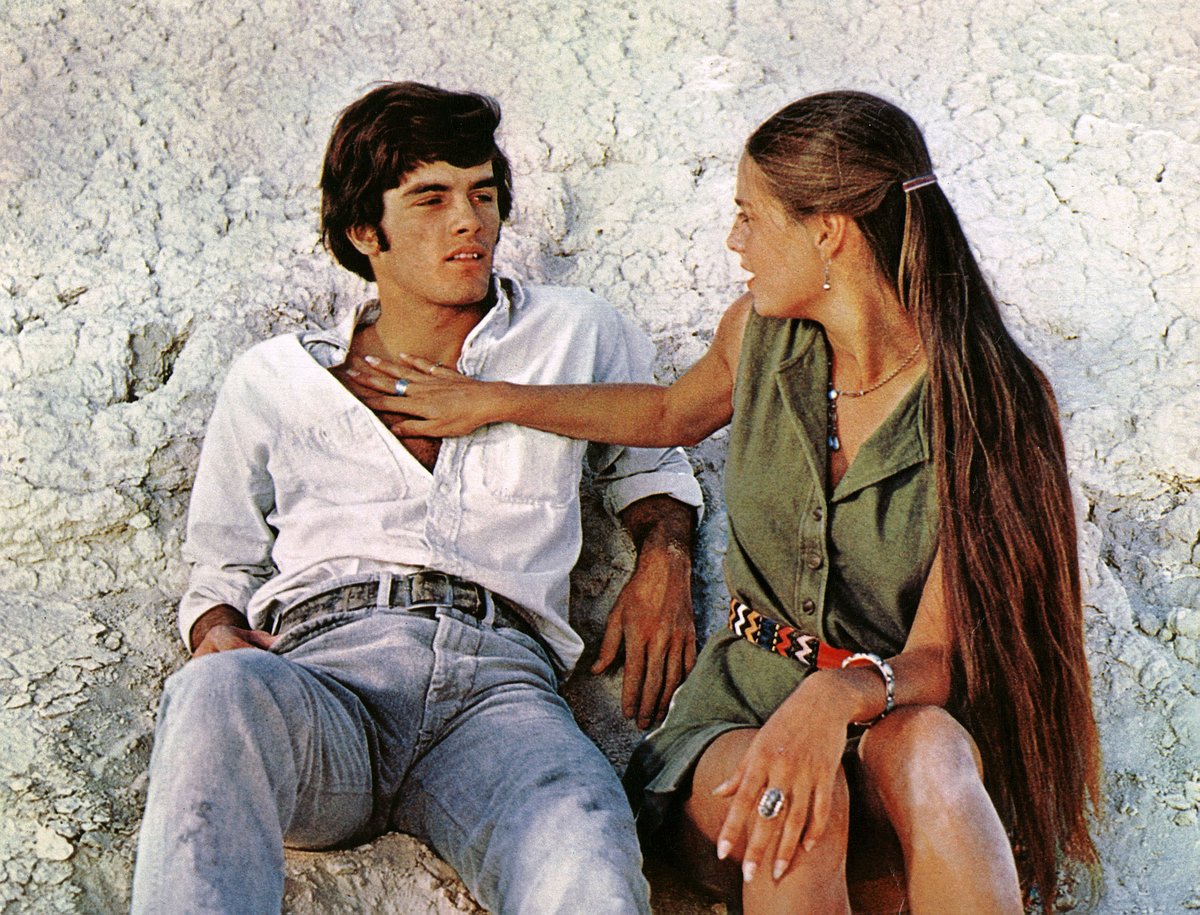
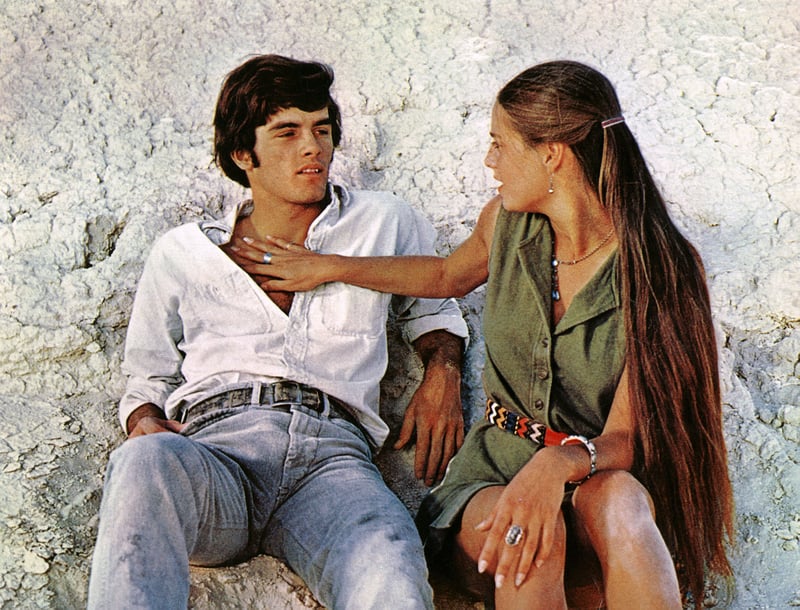
In Michelangelo Antonioni’s infamous, spectacular counterculture studio production, a student radical finds himself on the run after a violent clash with the police, escaping to Death Valley in a stolen plane.
Free Screenings & Events
An-My Lê
2005|
USA|
7 minutes
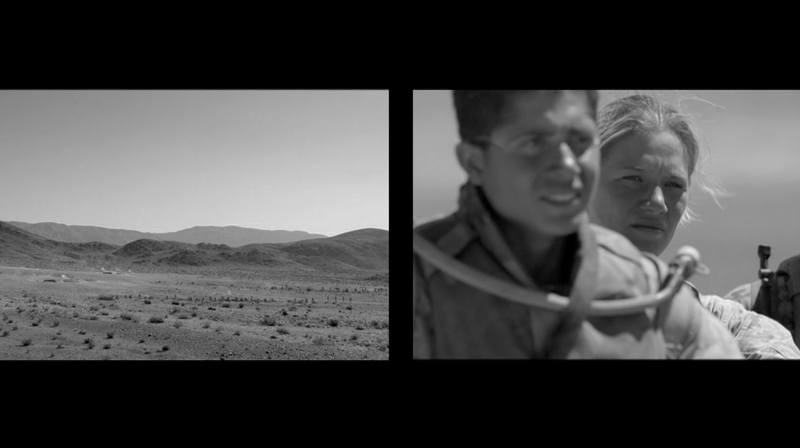
An-My Lê’s installation 29 Palms, part of a larger project about a California military base where service members train for combat in Afghanistan and Iraq, is as an elegant black-and-white diptych, a portrait of troops rehearsing America’s imperial project abroad.
The Otolith Group

2013|
UK / USA|
41 minutes
The Otolith Group’s Medium Earth takes the shape of an audiovisual essay on the anthropocene, specifically the parched terrain of California, the human interventions which engineer its environment, and the awesome forces at play beneath its surface.

Join Another Country co-organizers Thomas Beard and Shanay Jhaveri (editor of America: Films from Elsewhere) for a wide-ranging discussion of the series, the representation of America by foreign and immigrant auteurs, and more.
Some of the most influential and incisive observations about the United States have been made by those born beyond its shores—Alexis de Tocqueville, Oscar Wilde, Theodor Adorno—and to their ranks one could add a considerable number of filmmakers. Continuing the story of how exiled European directors transformed Hollywood in the 1930s and ’40s, this series considers the many ways that foreign and immigrant auteurs of the modern era have depicted and otherwise apprehended America, from period adaptations to diary films to action blockbusters. Such works include the imagined geographies of the spaghetti western, where Italian landscapes might stand in for 19th-century Utah, but we also see the U.S. shot on location, like the Los Angeles of Jacques Demy and Haile Gerima, or the New York of Chantal Akerman and Sylvia Chang. In these films one encounters many Americas, perspectives on a nation that reveal the peculiarities of its customs, the drama of its natural splendor, and the lacerating contradictions of its political mythologies.
Organized by Thomas Beard, Shanay Jhaveri, and Dan Sullivan. Copies of the new anthology America: Films from Elsewhere, on which this program is based, will be available at FLC.
Acknowledgements
Anthology Film Archives and Filmmuseum München