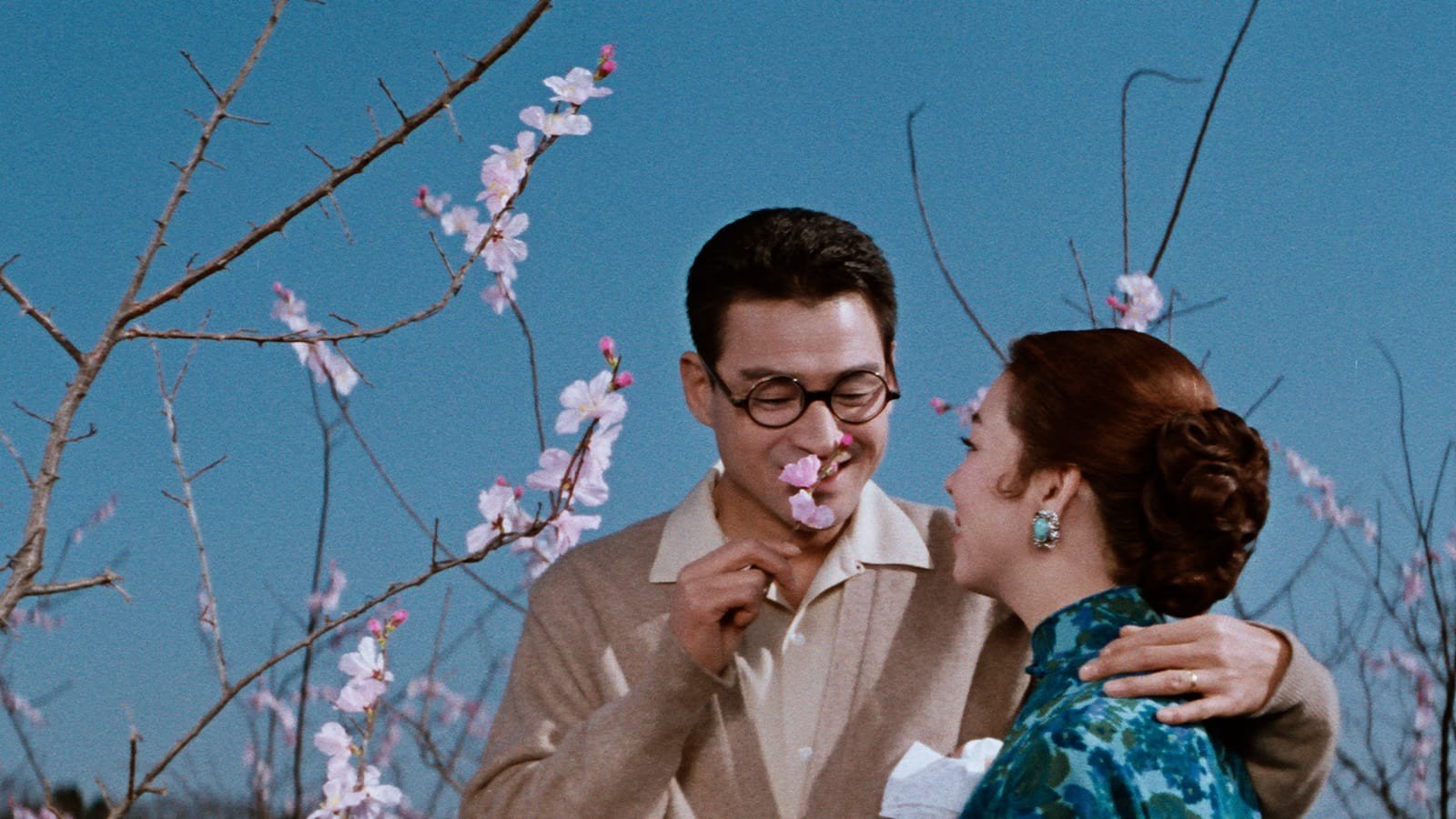
Kinuyo Tanaka Retrospective
Film at Lincoln Center is honored to pay tribute to Tanaka’s monumental place in film history with a retrospective including these six rare films, newly restored by the studios with which she worked: Nikkatsu, Toho, Shochiku, and Kadokawa.
Kinuyo Tanaka
1953|
Japan|
97 minutes|
Japanese with English subtitles
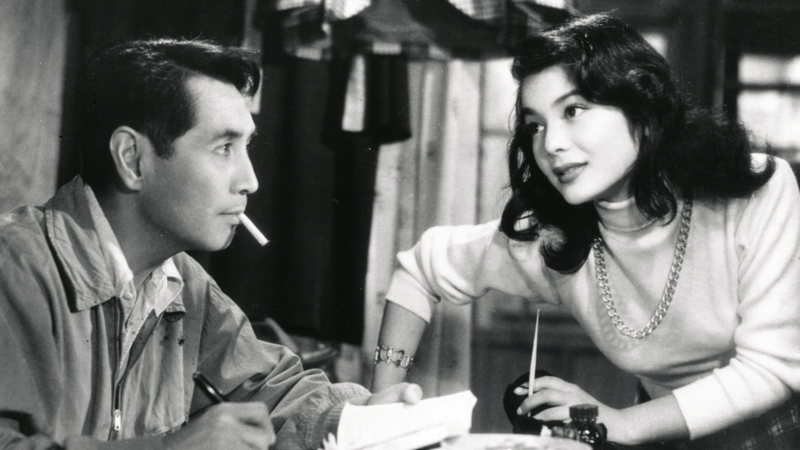
Released a year and a half after the end of the American Occupation, Tanaka’s first film as director follows a repatriated veteran (Masayuki Mori) who helps Japanese women write love letters to American GIs, meanwhile wandering the streets of bustling postwar Tokyo in search of Michiko (Yoshiko Kuga), his childhood love.
Kinuyo Tanaka
1955|
Japan|
102 minutes|
Japanese with English subtitles
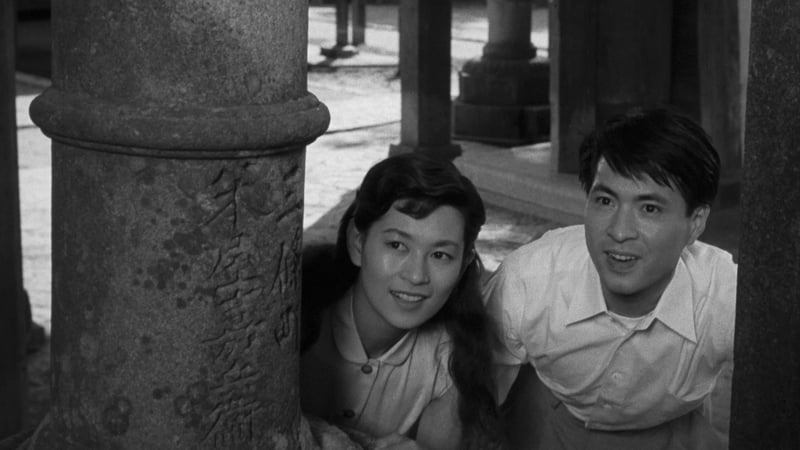
Based on an unused Ozu script gifted to Tanaka, this enchanting comedy follows a widower and the romantic prospects of his three daughters in Japan’s ancient capital of Nara during late autumn.
Kinuyo Tanaka

1955|
Japan|
110 minutes|
Japanese with English subtitles
Considered Tanaka’s first truly personal work, Forever a Woman concerns an ill-fated female tanka poet whose life was brought to a premature end by breast cancer.
Kinuyo Tanaka
1960|
Japan|
102 minutes|
Japanese and Mandarin with English subtitles
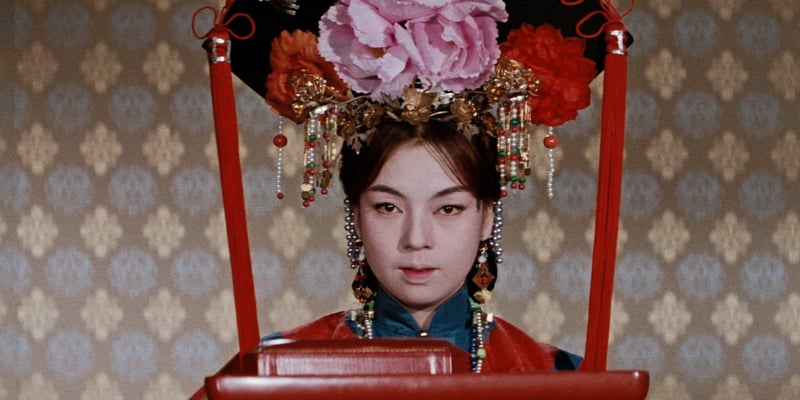
Tanaka’s first film in color and in Cinemascope revealed an entirely new artistic vision from the director: an exquisite historical fresco bound up in a war melodrama starring Machiko Kyô.
Kinuyo Tanaka
1961|
Japan|
93 minutes|
Japanese with English subtitles
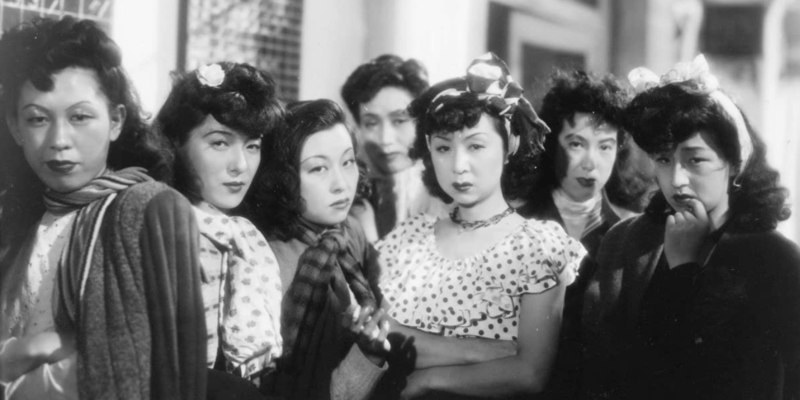
Following the 1956 Prostitution Prevention Law, a young woman living in one of Japan’s newly established rehabilitation centers, which attempted to reform sex workers, struggles to build a new life.
Kinuyo Tanaka

1962|
Japan|
102 minutes|
Japanese with English subtitles
Set in 16th-century Japan, Tanaka’s final film is a doomed romance following two lovers—the daughter of the famous tea master and the other a married, devout Christian samurai—who come to ruin for their forbidden mutual attraction.
To coincide with the presentations of her restored directorial work, Film at Lincoln Center is pleased to celebrate Tanaka’s artistry in front of the camera with a selection of some of her personal favorites and brilliant collaborations with Ozu, Mizoguchi, Naruse, and Kinoshita.
Yasujirō Shimazu
1935|
Japan|
100 minutes|
Japanese with English subtitles
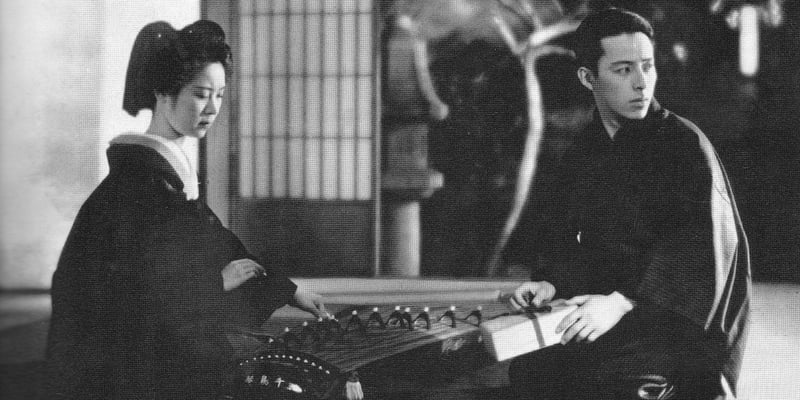
Among Tanaka’s personal favorites, the first of many adaptations of Junichiro Tanizaki’s classic novel follows the peculiar romance between a blind mistress and her manservant in Japan’s Meiji era.
Yasujirō Ozu
1948|
Japan|
84 minutes|
Japanese with English subtitles
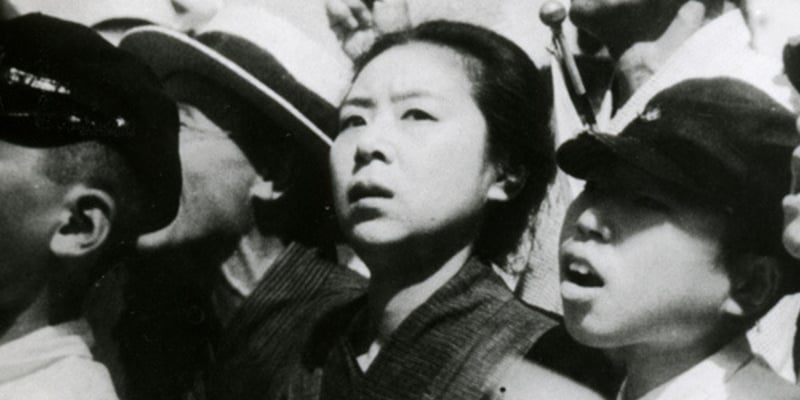
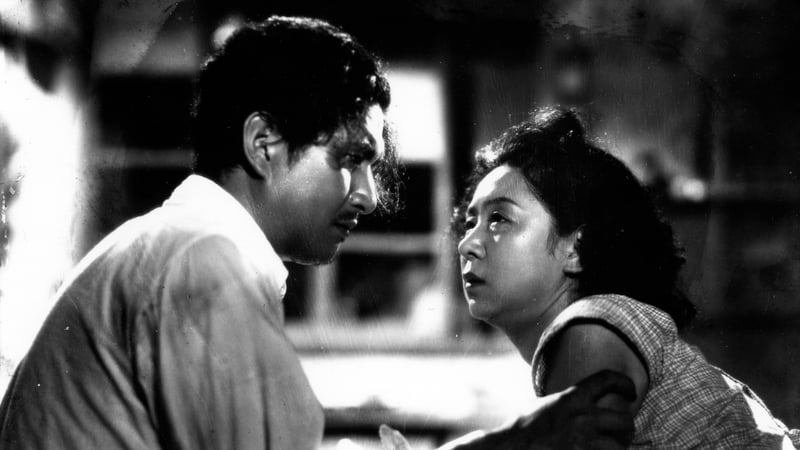
Made just three years after WWII and set in the squalor of Japan’s reconstruction, Ozu’s rare melodrama A Hen in the Wind follows a mother who resorts to prostitution to pay her sick child’s medical bills while waiting for her husband to return from war.
Kenji Mizoguchi
1952|
Japan|
136 minutes|
Japanese with English subtitles
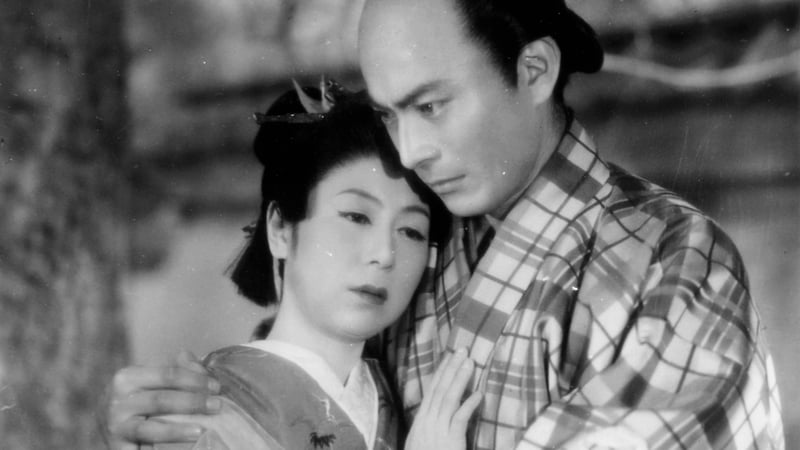
Perhaps the most sublimely devastating of master director Kenji Mizoguchi’s celebrated collaborations with Tanaka, The Life of Oharu stars the actress as a once-proud concubine whose tragic fate is governed by the callous whims of men.
Kei Kumai
1974|
Japan|
120 minutes|
Japanese and Malay with English subtitles
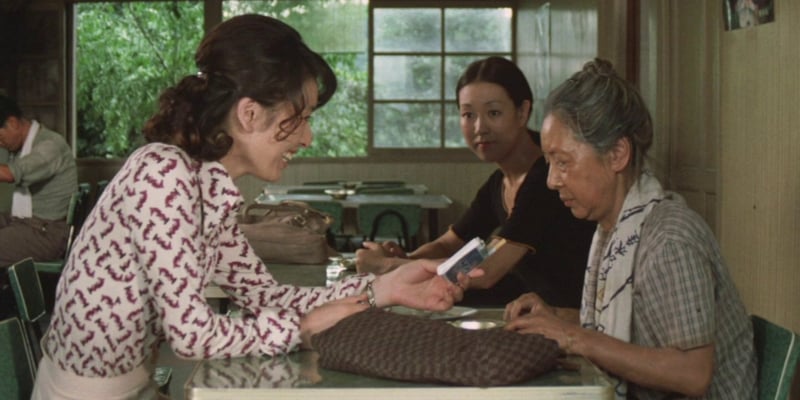
Tanaka won the Best Actress Award at the 25th Berlin International Film Festival for what may be considered her last great role: an elderly, impoverished former sex worker in Kei Kumai’s Sandakan No. 8.
As an actress in over 250 films, Kinuyo Tanaka (1909-1977) was one of the most celebrated and wildly popular artists of her time, regularly collaborating with consummate masters like Yasujirō Ozu, Kenji Mizoguchi (15 films, including Ugetsu), and Mikio Naruse (whose 1952 film, Mother, introduced her to an international audience). In 1953, Tanaka boldly turned to directing her own features in an industry deprived of female filmmakers and amid outcries from her mentors (particularly Mizoguchi). Nevertheless, she fulfilled her ambition with the help of the young studio Shintoho and her faithful friends Ozu and Naruse, as well as the groundbreaking gay filmmaker Keisuke Kinoshita, who penned the screenplay for her directorial debut, Love Letter, which went on to receive critical acclaim at the 1954 Cannes Film Festival. Between 1953 and 1962, Tanaka directed half a dozen films with a determined sense of freedom and touches of provocation, placing women at the forefront of her movies as mistresses, prostitutes, poets, heroines, and victims of social injustice. Film at Lincoln Center is honored to pay tribute to Tanaka’s monumental place in film history with a retrospective including these six rare films, newly restored by the studios with which she worked: Nikkatsu, Toho, Shochiku, and Kadokawa.
Tickets now on sale!
Entries in the retrospective include: Love Letter, Tanaka’s first film as director, featuring a repatriated veteran (Masayuki Mori) who helps Japanese women write love letters to American GIs; The Moon Has Risen, a delightful comedy focusing on a widower and the romantic prospects of his three daughters; Forever a Woman, considered to be Tanaka’s first truly personal work, depicting a female tanka poet whose life is brought to a premature end by breast cancer; The Wandering Princess, Tanaka’s first film shot in color and Cinemascope, an exquisite historical fresco bound up in a war melodrama starring Machiko Kyô; Girls of Night, concerning a young woman living in one of Japan’s newly established rehabilitation centers for former sex workers, and struggling to build a new life; and Love Under the Crucifix, Tanaka’s final film, a doomed romance between the daughter of a tea master and a married, devout Christian samurai.
In addition to her directorial triumphs, to celebrate Tanaka’s brilliance in front of the camera as well as behind it, Film at Lincoln Center screens six of her personal favorite films, many on imported 35mm prints. These include: Army, Tanaka’s first collaboration with director Keisuke Kinoshita; Shunkinsho: Okoto to Sasuke, rarely screened in New York and the first of many adaptations of Jun’ichirō Tanizaki’s classic novel; A Hen in the Wind, made three years after WWII and set amid the squalor of Japan’s recovery; The Life of Oharu, possibly the most beautiful of master director Kenji Mizoguchi’s celebrated joint efforts with Tanaka, who stars as a once-proud concubine whose fate is controlled by the cruel whims of the men in her life; Mother, a collaboration with director Mikio Naruse, which brought the star international attention and acclaim; and Sandakan No. 8, considered to be Tanaka’s last great role, released three years before her death, which earned her the Best Actress Award at the 25th Berlin International Film Festival.
Presented in partnership with Janus Films. This retrospective was conceived by Lili Hinstin. Organized by Lili Hinstin and Tyler Wilson.


